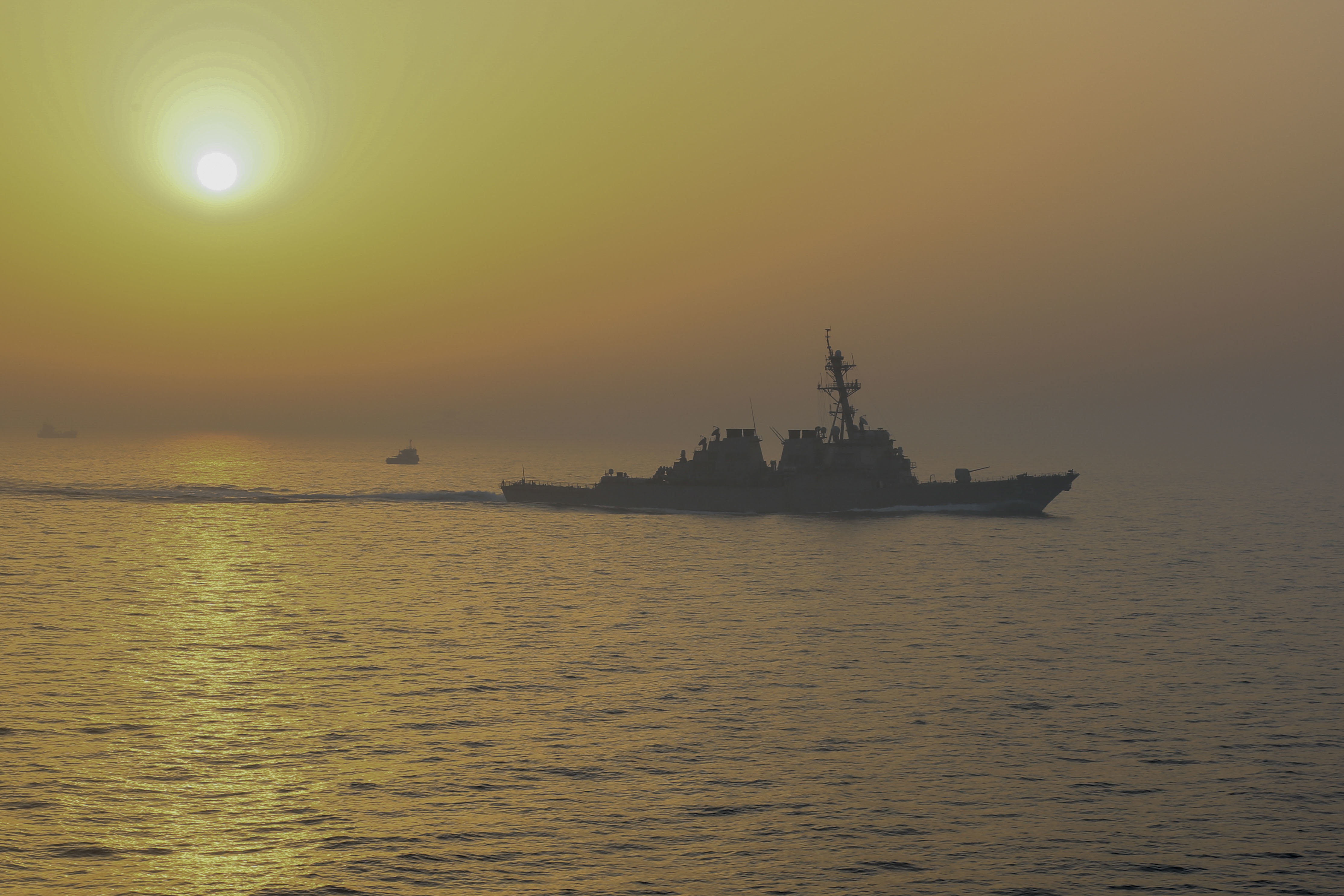
The United States and Iran have reportedly reached a peace agreement to end the West Asia war and reopen the Strait of Hormuz [1, 2].
This development is critical because the Strait of Hormuz is a global chokepoint for oil shipments. A resolution to the conflict would stabilize energy markets and halt military operations across multiple fronts in the region [1, 2].
Donald Trump said, "The agreement with Iran is now complete" [2]. He also said, "We are very close to reopening the Strait of Hormuz" [3]. Under the terms of the framework, the U.S. would lift its naval blockade of the strait [1, 2]. An unnamed Iranian official said Iran offered to end its chokehold on the waterway if the U.S. lifted the blockade [4].
The agreement establishes a 60-day period for the two nations to negotiate the lifting of sanctions, and address nuclear concerns [1, 2]. This window is intended to create a diplomatic path toward a permanent resolution of long-standing tensions.
However, reports on the finality of the deal vary. While some outlets state the agreement is in place, The New York Times reported that President Trump has not signed off on the emerging framework and the deal remains unfinalized [5]. Similarly, CBS News reported that the agreement is still being edited and has not been formally signed [6].
These contradictions suggest that while a framework for peace exists, the transition from a negotiated agreement to a signed treaty remains precarious. The primary objective of the current phase is to cease active hostilities and restore maritime traffic to one of the world's most strategic shipping lanes [1, 2].
“"The agreement with Iran is now complete."”
The uncertainty regarding the deal's signature highlights the fragility of U.S.-Iran diplomacy. If the 60-day window for sanctions and nuclear talks fails, the temporary reopening of the Strait of Hormuz could be short-lived, potentially leading to a renewed escalation of the West Asia war.