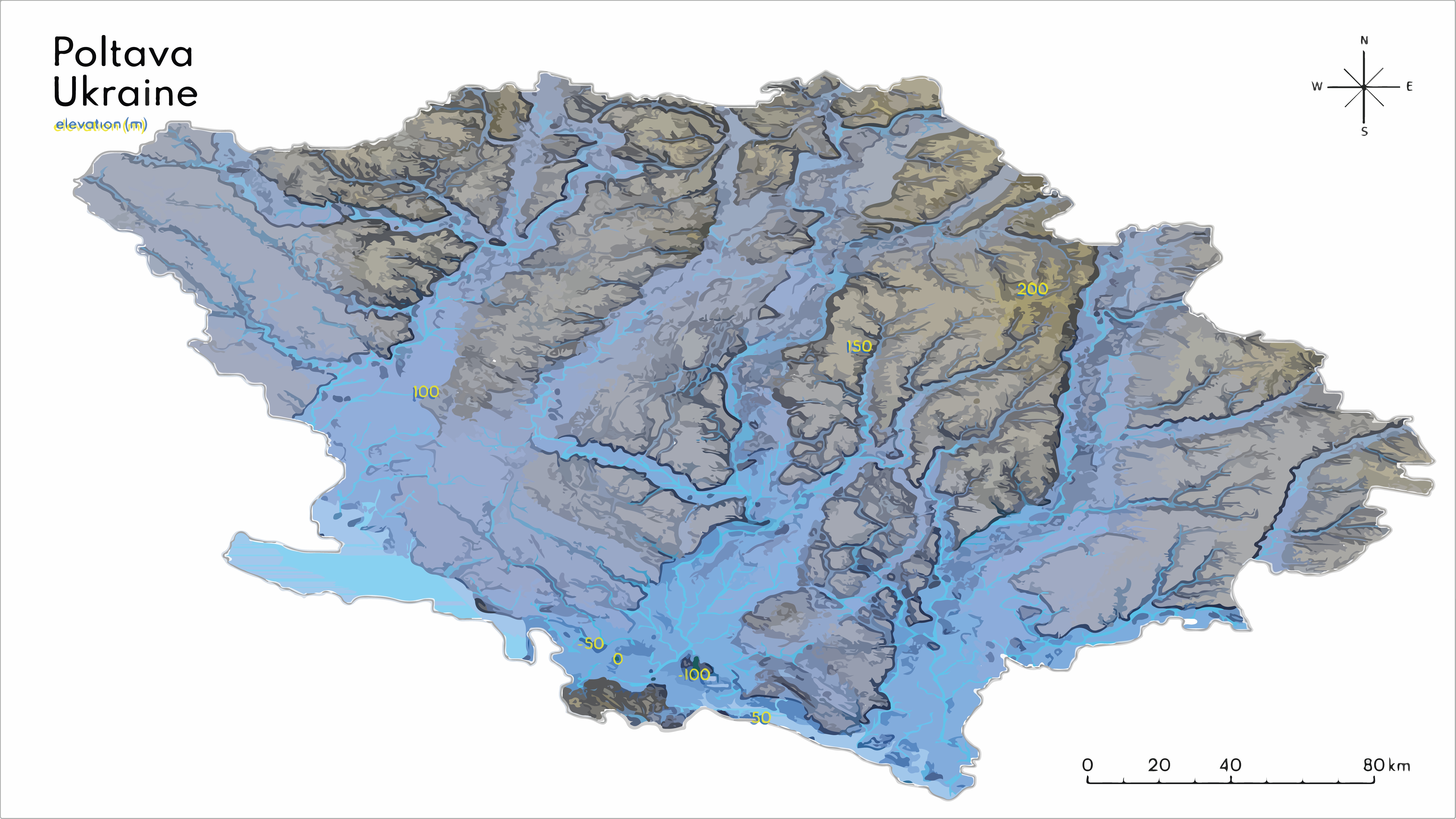
Russian forces launched an Iskander missile strike on Poltava, killing five people [1].
The attack is part of a broader pattern of large-scale missile and drone strikes targeting various Ukrainian regions [1]. These strikes frequently impact civilian infrastructure and residential areas, complicating efforts to maintain stability in central Ukraine.
Reports indicate that the missile struck the city of Poltava, resulting in both fatalities and injuries [1], [2]. Emergency services responded to the scene to provide medical aid and manage the aftermath of the explosion [2].
The Iskander missile system is a short-range ballistic missile known for its precision and ability to evade some air defense systems. The use of such weaponry in populated areas has led to significant casualties among non-combatants [1].
Local officials and international monitors have documented the damage caused by the strike. The event occurred during a period of intensified aerial warfare, as Russia continues to utilize drone and missile combinations to overwhelm Ukrainian defenses [1].
While the specific target of the strike was not identified in the available reports, the resulting death toll of five people [1] underscores the risk to civilians in the region. The strike follows a series of similar engagements across the country.
“Russian forces launched an Iskander missile strike on Poltava, killing five people.”
The strike on Poltava demonstrates Russia's continued use of high-precision ballistic missiles to target cities far from the immediate front lines. By utilizing Iskander missiles, which are designed to penetrate air defenses, Russia maintains the ability to inflict civilian casualties and psychological pressure on Ukrainian urban centers, complicating the security landscape in central Ukraine.


