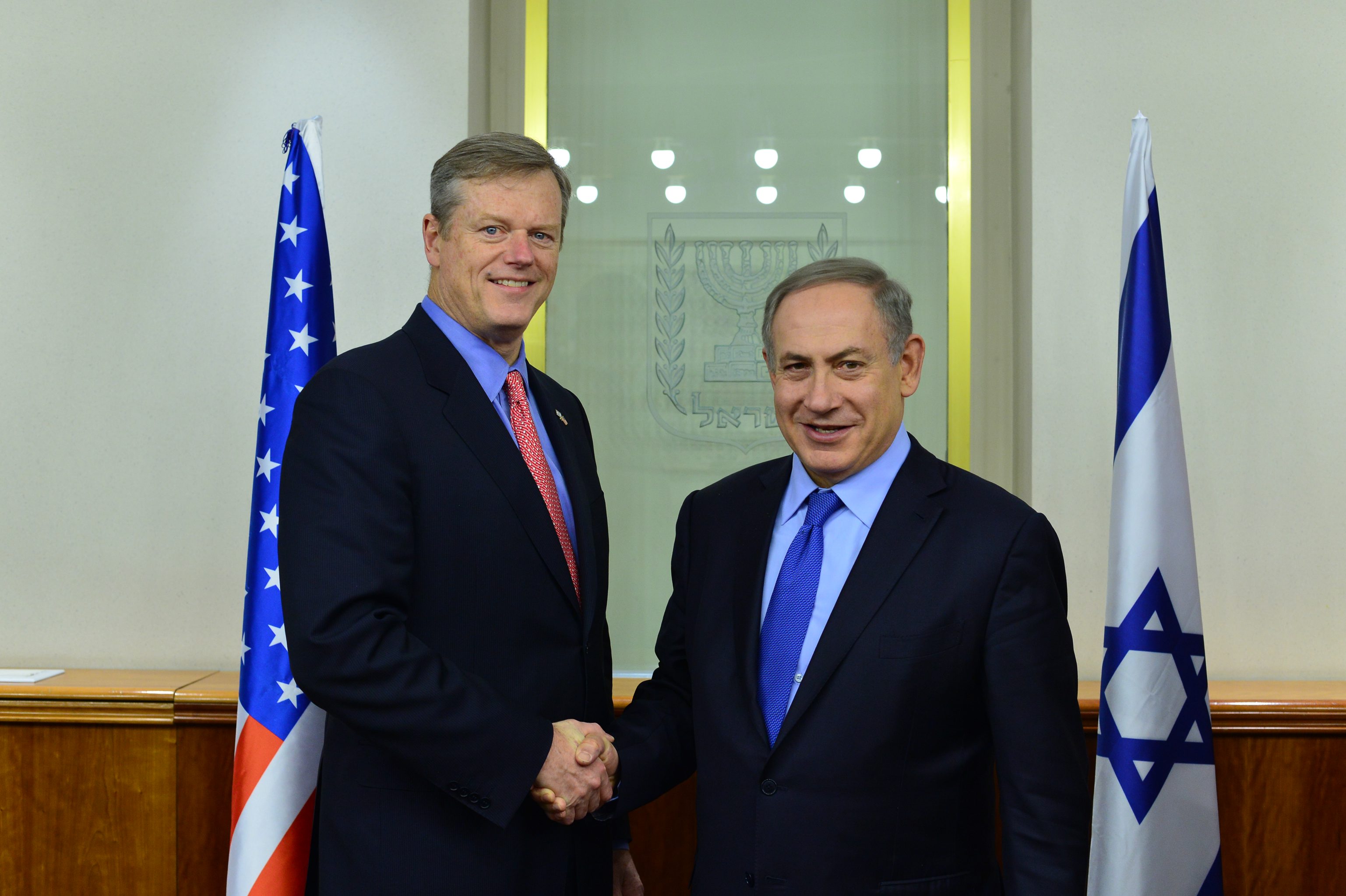
U.S. intelligence officials said that Israeli Prime Minister Benjamin Netanyahu may attempt to derail a pending nuclear agreement between the U.S. and Iran [1].
The potential sabotage threatens to destabilize a fragile diplomatic effort to limit Iran's nuclear capabilities and prevent regional escalation in the Middle East.
Negotiators from the U.S. and Iran were scheduled to meet in Switzerland on June 17, 2024 [2]. The discussions occur amid high tensions and a history of hard-line stances from the Israeli leadership toward Tehran. U.S. intelligence said that Netanyahu views Iran as a strategic threat and could act to undermine the deal [1].
This apprehension follows a pattern of public opposition from the Israeli Prime Minister. In a previous discussion regarding the future of Israel, Netanyahu said, "You are worse than Chamberlain."
Contradictory signals have emerged regarding how Netanyahu currently views the Iranian threat. Prime Minister Netanyahu said that while Iran still possessed launch capabilities to threaten Israel, it could no longer be considered an existential threat [3]. However, U.S. intelligence assessments said he still views the nation as a significant enough threat to justify blowing up the agreement [1].
Regional volatility remains high as diplomatic efforts continue. Recent military action includes a drone attack by Israel in southern Lebanon that killed at least 16 people [4]. This strike highlights the precarious security environment surrounding the nuclear talks.
Analysts said that Netanyahu's political base and his long-term security concerns often clash with the diplomatic goals of U.S. administrations. The outcome of the Switzerland meetings remains uncertain as the U.S. attempts to balance its strategic alliance with Israel against the goal of a nuclear-free Iranian program.
“"You are worse than Chamberlain."”
The friction between U.S. diplomatic objectives and Israeli security strategy creates a significant hurdle for the nuclear deal. If the Israeli government perceives the agreement as a compromise of its own national security, it may utilize political or covert pressure to ensure the deal fails, regardless of the outcome of the Switzerland negotiations.


