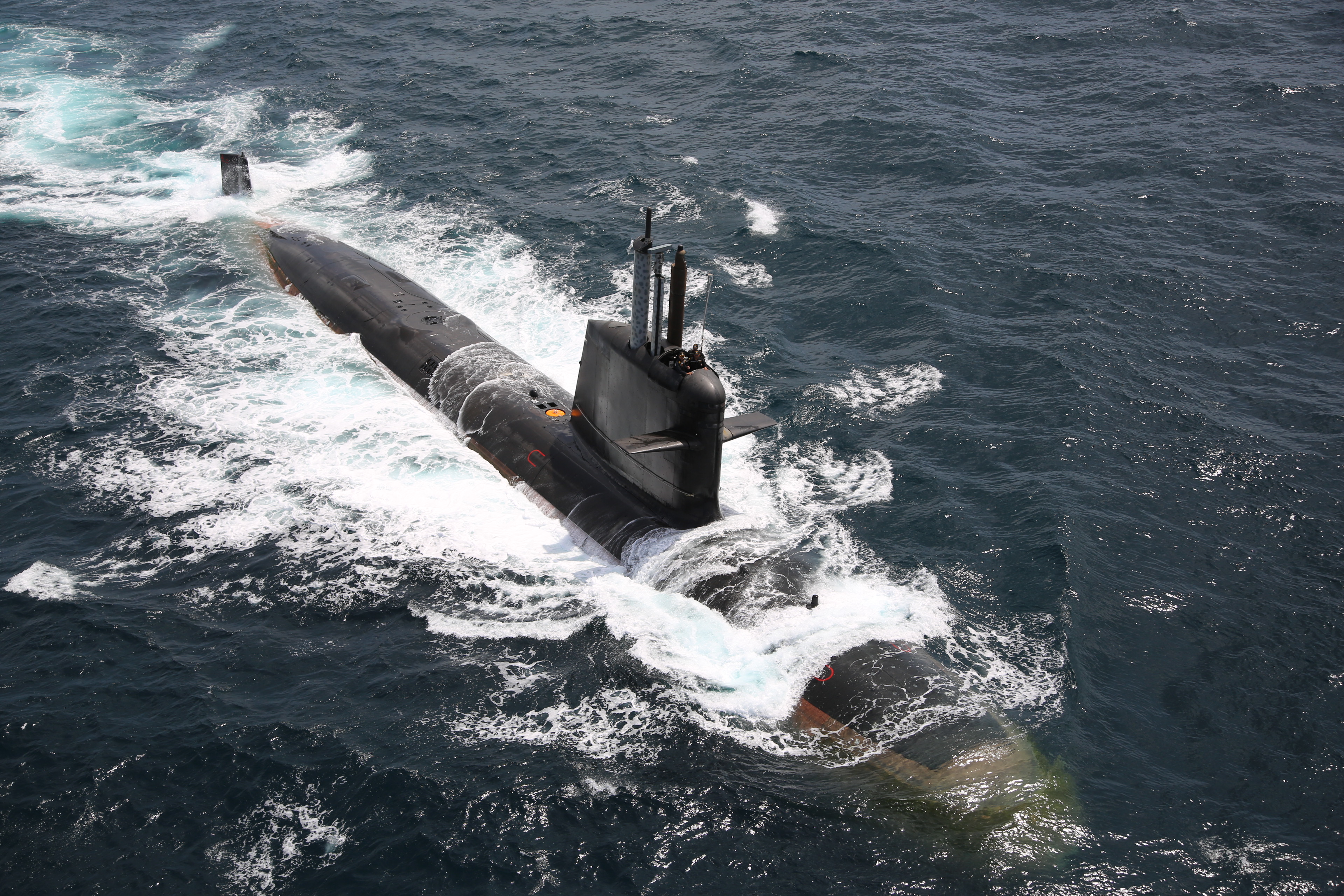
Prime Minister Narendra Modi commissioned three indigenously built naval vessels during a ceremony in Kolkata on Sunday [1], [2].
The tri-commissioning event marks a significant expansion of India's maritime capabilities. By producing these vessels domestically, India reduces its reliance on foreign defense imports and strengthens its strategic autonomy in the Indian Ocean region [1], [2].
The three ships added to the fleet serve distinct strategic purposes. The INS Dunagiri is a stealth frigate designed for advanced combat operations [1], [3]. The INS Sanshodhak is a deep-sea survey ship intended to enhance oceanographic research and mapping [1], [3]. The INS Agray is an anti-submarine warfare craft focused on detecting and neutralizing underwater threats [1], [3].
This event took place on June 21, 2026 [2]. The ceremony in Kolkata highlights the city's role in supporting the nation's naval infrastructure [1], [2].
Officials said that the project aims to enhance India's maritime security and showcase the growth of indigenous defense production [1], [2]. The addition of these three [1] vessels allows the Indian Navy to operate with a more diverse set of tools for both surveillance and combat.
The development of these ships is part of a broader push toward self-reliance in military technology. By integrating stealth capabilities and deep-sea exploration tools, the navy can maintain a more persistent presence in contested waters. The indigenous nature of the build ensures that maintenance and upgrades can be handled within India, shortening the operational turnaround time for the fleet [1], [2].
“Prime Minister Narendra Modi commissioned three indigenously built naval vessels.”
The simultaneous commissioning of a stealth frigate, a survey ship, and an anti-submarine craft indicates a multi-domain approach to naval strategy. By diversifying its fleet with specialized indigenous vessels, India is signaling its intent to monitor deep-sea environments while simultaneously improving its ability to counter submarine threats, which is critical for maintaining regional stability and securing trade routes.


